Yoga, Meditation and Auto-Immune Diseases
How Mindfulness, Yoga and Meditation Can Transform Your Retirement Years
Most people think of retirement planning as numbers on a page—account balances, Social Security, and income strategies. But what happens if you step into retirement financially prepared yet emotionally exhausted, mentally overwhelmed, and physically worn down?
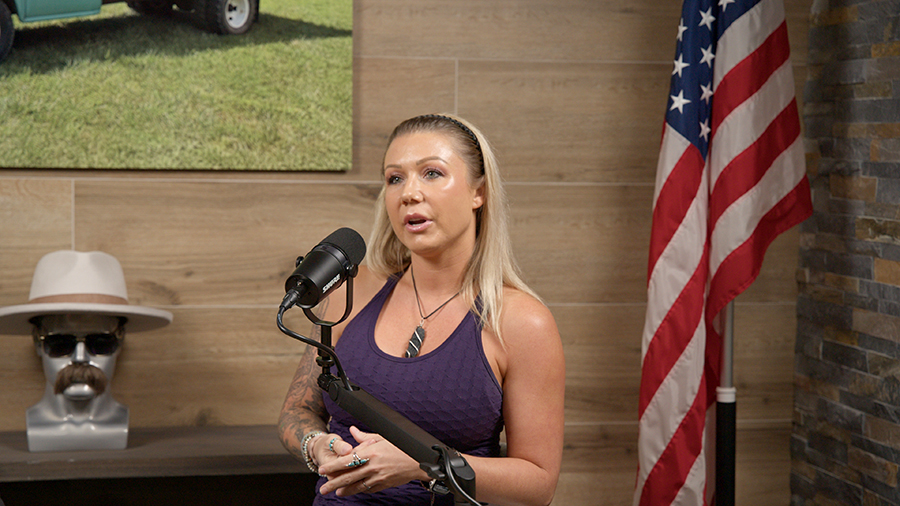
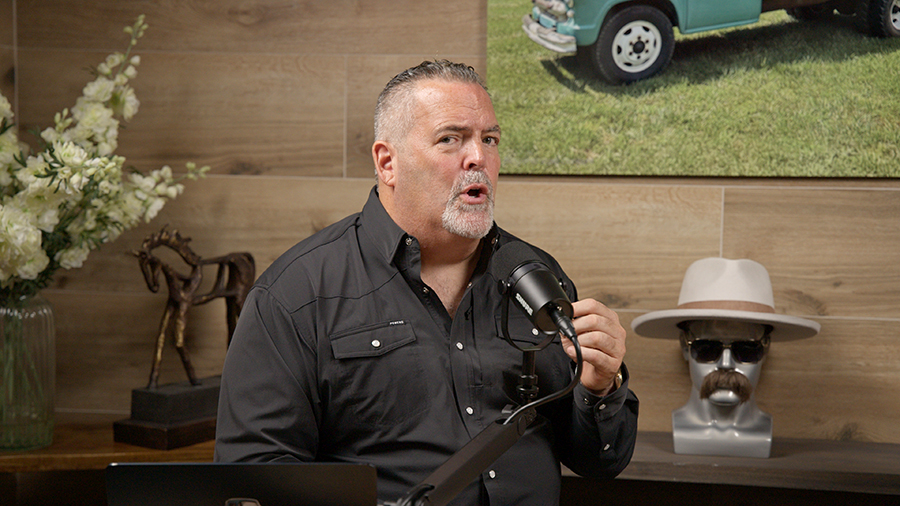
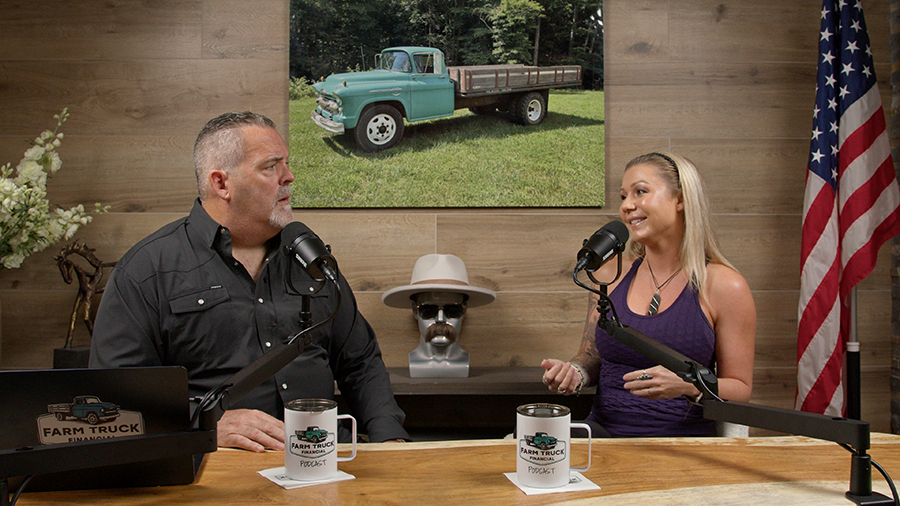
That’s exactly why Farm Truck Financial dedicated an entire show to mindfulness Eric Kearney sat down with yoga and meditation instructor Dani Touroney to talk about healing, chronic illness, and practical ways retirees can bring more calm, strength, and presence into their everyday lives.
Dani’s Story: Chronic Illness, MS and a Mindful Path to Healing
Dani didn’t step into yoga with a grand plan to become a teacher. She originally took a training course because her sister thought she would enjoy it—something just for herself. At the very same time, she was facing confusing and frightening health issues.
Doctors suspected lupus at first. Then they discovered lesions on her brain and eventually diagnosed her with multiple sclerosis (MS), an autoimmune condition that can affect the brain and spinal cord. Today, Dani is in remission, and she’s made yoga, meditation, and holistic wellness a central part of how she supports her body and mind.
For her, teaching isn’t just a job. It’s part of her healing—and a way to help other people facing chronic illness feel less powerless and more connected to their bodies.
What MS Does to the Body – and Why Stress Makes It Worse
In the conversation, Eric explains MS in simple terms. Your body has something called myelin, a protective coating that insulates your nerves and helps messages move smoothly between your brain and the rest of your body. With MS, the immune system mistakenly attacks that myelin, disrupting communication and causing a wide range of symptoms.
One of the biggest triggers for Dani’s flare-ups? Stress and high heat. Like many autoimmune conditions, MS can be heavily influenced by what’s going on in your nervous system. If your body is constantly stuck in “fight or flight,” it’s much harder to heal, rest, and repair.
That’s where mindfulness, yoga, and meditation come in. They aren’t cures—but they can be powerful tools to calm the nervous system, lower stress, and support the body’s ability to function as well as it can.
Yoga: More Than Exercise for Retirees and Pre-Retirees
Many people still think yoga is just stretching or a workout. As Dani explains, that’s only one piece of it. Yoga is a combination of:
- Movement – gentle postures to improve mobility, strength and balance
- Breathwork – conscious breathing to calm the nervous system and steady the mind
- Mindfulness – staying present with how your body and emotions feel in the moment
For retirees—especially those coming from desk jobs, stressful careers, or caregiving roles—yoga can be a powerful way to reconnect with the body. Benefits often include:
- Improved posture and spinal health
- Better balance and stability (especially important for fall prevention)
- Increased flexibility and mobility for everyday tasks
- Greater body awareness and self-compassion
- A calmer, steadier mind
Inside a Gentle, Beginner-Friendly Yoga Class
Dani builds her classes so that anyone can walk in, even if they’ve never done yoga before. Her goal is to create a judgment-free space where people feel safe listening to their bodies.
A typical class might look like this:
- Grounding and centering (3–5 minutes): Sitting or lying comfortably, noticing how your body feels, bringing awareness to the breath, and asking what your body needs that day.
- Gentle stretching and mobility work: Side bends, twists, and simple movements to loosen the spine, shoulders, and hips—things that make it easier to do everyday tasks like checking your blind spot or backing up a car.
- Standing postures and balance: Simple poses to build strength and stability. Balance work trains both the body and the mind, because focus plays such a big role.
- Shavasana and relaxation: The final 10 minutes are spent resting, often with sound bowl healing and a hint of essential oils in the air to promote deep calm.
Dani even offers chair yoga classes where almost everything is done seated. That means people who can’t comfortably get down on the floor can still receive the benefits of movement, breathwork, and mindfulness.
Meditation for Busy Minds and Short Attention Spans
When the conversation shifts to meditation, Eric admits something a lot of people feel: “I’ve tried. I want to. But I just can’t seem to do it.” In a world of buzzing phones, alerts, and constant distractions, sitting quietly with your thoughts can feel almost impossible.
Dani’s advice is simple and encouraging:
- Start small. Even just 2–5 minutes a day can help. You don’t have to sit for half an hour to receive benefits.
- Pick a quieter time. First thing in the morning, before you pick up your phone, is often ideal.
- Focus on the breath. Awareness of breathing—feeling the inhale and exhale—is one of the most accessible ways to begin.
- Don’t give up just because it feels hard. Meditation is a skill. The more you practice, the more natural it becomes.
The goal isn’t to completely empty your mind; it’s to gently bring it back when it wanders, over and over again.
Helpful Tools: Guided Meditation, Sound Healing and Breathwork
For people who struggle to sit in silence, Dani recommends guided support:
- Guided meditations on apps or audio platforms, where a teacher talks you through visualization, body scans, or relaxation.
- Sound frequency tracks or sound bowl recordings that give the mind something soothing to follow.
- Candle gazing, where you observe the flame’s colors and movement, keeping your attention anchored in one place.
- Yoga nidra, sometimes called “yogic sleep,” which walks you through body awareness from head to toe while you rest comfortably.
Dani also mentions there are more than a dozen different kinds of breathwork. Some are warming and energizing, others are cooling and calming. Learning how to use the breath as a tool gives you a way to influence how you feel—without pills, screens, or distractions.
Teaching Kids to Breathe and Self-Regulate
Mindfulness isn’t just for adults. Dani is teaching her 11-year-old son how to use meditation and breathwork, and she believes these tools belong in schools as well.
Children today often turn to screens to escape their thoughts and feelings, because they haven’t been taught a healthier way to cope. Simple practices like:
- Breathing exercises for test anxiety
- Short guided meditations before bed
- Body scans to notice where they feel stress or tension
can give kids lifelong tools to calm their nervous systems and handle tough moments more effectively.
Why Mindfulness Belongs in Your Retirement Plan
At Farm Truck Financial, we talk a lot about retirement income, investments, and long-term planning. But this conversation with Dani is an important reminder: a successful retirement isn’t only about whether your money lasts—it’s about whether you feel well enough to enjoy it.
When you combine a thoughtful financial plan with practices like yoga and meditation, you’re planting seeds for:
- More energy and mobility in day-to-day life
- Better stress management during market volatility or life changes
- Improved emotional resilience when health challenges arise
- A deeper sense of peace about the future
You only retire once. Bringing mindfulness, movement, and breath into that season of life can help ensure all the planning you’ve done translates into a retirement you actually feel good living.
If you’d like to talk with a team that understands both the financial and human side of retirement, reach out to schedule a conversation. Together, you can build a plan that supports your lifestyle, your health journey, and the future you want—one mile and one dollar at a time.