What a GMC Jimmy Restoration Can Teach You About Retirement
What a 1972 GMC Jimmy Restoration Can Teach You About Retirement Planning
Some retirement lessons do not come from spreadsheets, charts, or market reports. Sometimes they come from a garage, a restoration shop, and a classic truck with a story behind it.
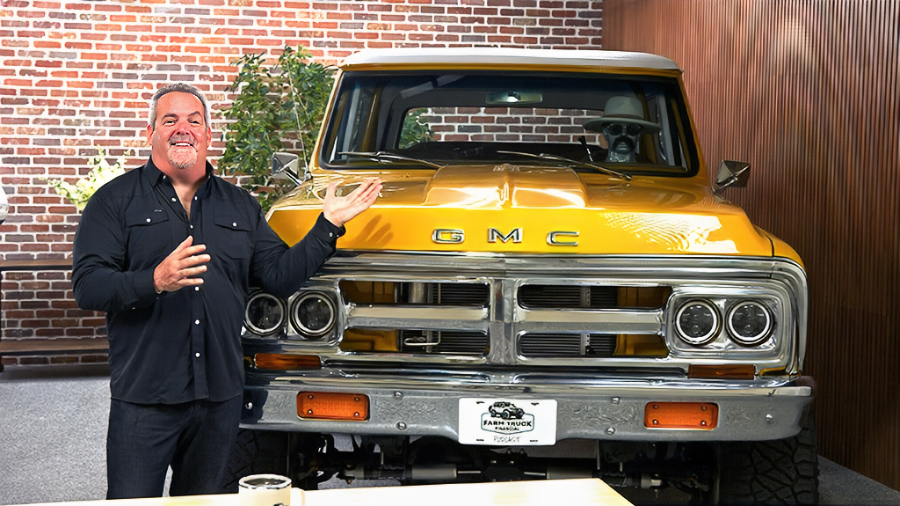
In this episode of Farm Truck Financial, Eric Kearney walks through the restoration of his 1972 GMC Jimmy. On the surface, it is a story about classic cars, rare trucks, and personal nostalgia. But underneath the paint, parts, and drivetrain is a bigger lesson about planning, preparation, and knowing what you are trying to build before you start tearing things apart.
Why Classic Vehicles Matter to So Many Retirees
For many people, classic cars, trucks, and motorcycles are not just machines. They are memories.
A vehicle can take someone back to a first job, a family road trip, a younger version of themselves, or a season of life that still feels vivid. That is why a classic truck can spark a conversation at a gas station. Someone sees it, remembers what they had, and suddenly there is a whole story attached to it.
That emotional connection is part of what makes retirement lifestyle planning so important. Retirement is not only about leaving work. It is also about deciding what you want to retire to.
For some, that may mean travel. For others, it may mean family time, hobbies, volunteering, boating, golf, or restoring the vehicle they always wanted. The important point is that those goals should be part of the broader plan.
The Importance of Choosing the Right Project
Eric explains that when he chose the 1972 GMC Jimmy, he was looking for something with future desirability.
That matters in the classic car world because not every old vehicle carries the same appeal. Some vehicles are more desirable, more rare, or more likely to hold long-term interest among collectors and enthusiasts.
This particular Jimmy came from Phoenix, Arizona, which mattered because dry-climate vehicles are often less affected by rust. Eric noted that the truck retained key original body components, including its original quarters, doors, and front fenders. Paying more upfront for a cleaner vehicle helped reduce the amount of major bodywork required later.
That principle also applies to retirement planning.
Sometimes people try to save money upfront by delaying planning, skipping important conversations, or ignoring potential risks. But waiting can create bigger problems later. Paying attention early can make the entire process smoother.
Planning Helps Reduce Problems Before They Become Bigger
A major theme of the episode is that planning is not about pretending problems will never happen. It is about reducing the severity of problems before they become a real issue.
That was true in the restoration process. Eric knew that if the truck was going to be taken apart, the parts, sequence, shop, and goal needed to be thought through ahead of time.
It is also true in retirement.
A good retirement plan should look ahead at potential concerns such as:
- Income needs
- Market volatility
- Inflation
- Healthcare costs
- Taxes
- Legacy planning
- Lifestyle goals
- Long-term care concerns
- Unexpected expenses
The point is not to eliminate every bump in the road. The point is to avoid being caught completely unprepared when those bumps show up.
A Good Strategy Starts With a Clear Goal
Eric breaks strategy into three parts:
- An identifiable goal
- A method to attain that goal
- The competencies and resources needed to sustain that strategy
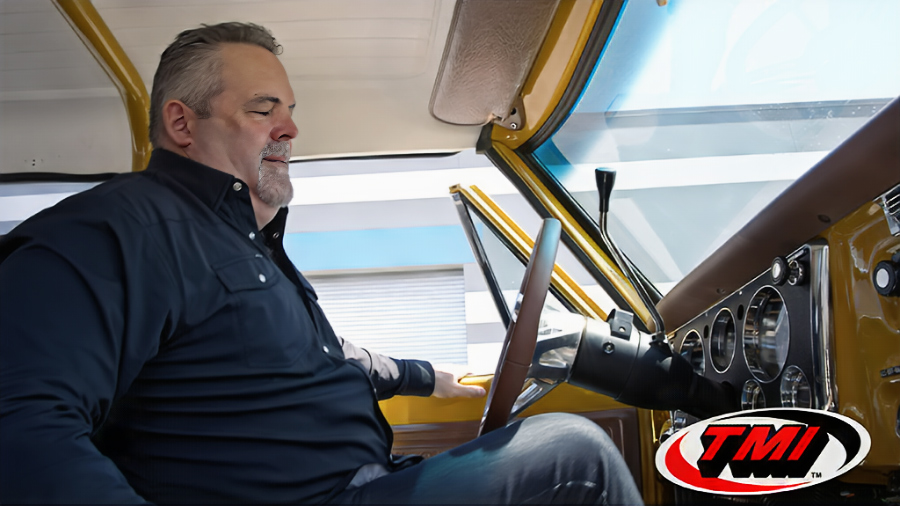
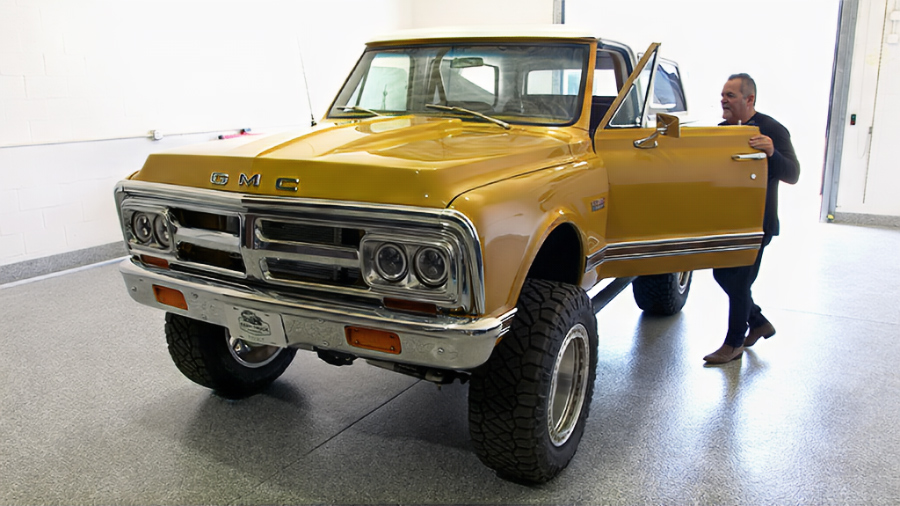
For the GMC Jimmy, the goal was clear. Eric did not want a trailer queen. He wanted something safe, reliable, modernized, and enjoyable to drive. He wanted the truck to keep the look and feel of a 1972 GMC Jimmy while adding the upgrades needed to make it more usable.
That kind of clarity matters.
Without a clear goal, a restoration can stall. Parts get ordered randomly. Costs rise. The vehicle sits unfinished. The owner gets frustrated.
Retirement planning can work the same way. If you do not know what you want retirement to look like, it becomes harder to know what your money needs to do.
A retirement plan should begin with questions like:
- What kind of lifestyle do you want?
- When do you want to retire?
- What income sources will you have?
- What expenses are likely to continue?
- What hobbies, travel, or major goals matter to you?
- What risks could disrupt the plan?
The clearer the goal, the easier it becomes to build the strategy.
The Right Professionals Matter
Eric compares choosing a restoration shop to choosing financial professionals. There may be plenty of options, but they are not all the same.
In the restoration world, people have heard stories about vehicles being dropped off at a shop and then sitting untouched for months or years. Poor communication, unclear expectations, and lack of process can derail the entire build.
That is why Eric wanted to know how the shop communicated, what their process looked like, what time frames were realistic, and how challenges would be handled.
That same standard should apply when choosing a financial advisor, CPA, attorney, or other professional involved in your retirement planning.
You want people who can help you think ahead. You want people who will communicate. You want people who can be there when conditions are not easy.
Preparation Can Keep the Process Moving
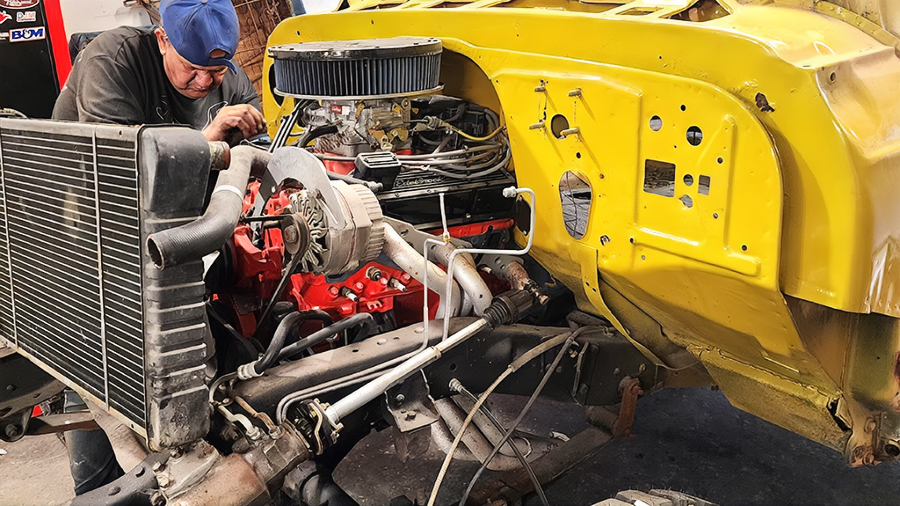
One of the biggest reasons Eric’s restoration moved smoothly was preparation. He knew the body would eventually be separated from the frame, so he worked ahead to source many of the parts that would be needed.
That included frame parts, drivetrain components, brakes, fuel lines, gears, axles, and other key pieces. Because parts were lined up early, the build avoided unnecessary delays.
This is a strong retirement planning lesson.
A retirement plan should not be assembled randomly as problems appear. It should be built with forecasting in mind. That means looking at what may be needed before the need becomes urgent.
For retirement, that might include:
- Creating a reliable income plan
- Reviewing Social Security timing
- Planning for required minimum distributions
- Considering tax exposure
- Reviewing insurance needs
- Preparing for healthcare costs
- Updating estate documents
- Stress-testing the plan against market downturns
The more work that is done ahead of time, the smoother the road may become later.
Build the Plan for Your Life
One of the strongest points Eric makes is that when you build something like this, you build it for yourself.
People online may criticize the color, the wheels, the stance, or the choices made in a restoration. But the person building the vehicle is the one who has to enjoy it.
Eric chose to keep the original color, okra, even after considering other options. He liked that it stood out and matched the rarity of the GMC Jimmy.
Retirement planning is personal in the same way.
Your plan should be built around your goals, your family, your income needs, your lifestyle, and your comfort level. It should not be based only on what someone else thinks retirement should look like.
Some people want to travel aggressively. Some want to stay close to family. Some want to spend more on hobbies. Some want to leave a legacy. Some want a quiet life with steady income and low stress.
There is no one-size-fits-all retirement. There is only the plan that fits your life.
Restoration and Retirement Both Require Process
A successful classic truck restoration does not happen by accident. It takes planning, organization, resources, decision-making, and the right help.
The same is true for retirement.
Eric’s 1972 GMC Jimmy came together because there was a goal, a method, and a team capable of carrying out the strategy. The truck was not just restored to look good. It was built to be driven and enjoyed.
That is the bigger retirement lesson.
A good retirement plan should not just look good on paper. It should be built to function in real life. It should account for the road ahead, the turns you can see, and some of the ones you cannot.
Because whether you are restoring a classic truck or preparing for retirement, the process matters.
And when the planning is done right, the ride can be a lot more enjoyable.