The Truth About Wills & Power of Attorney from an Estate Law Attorney
Estate Planning in Florida: Clear Steps to Protect Your Family and Your Legacy
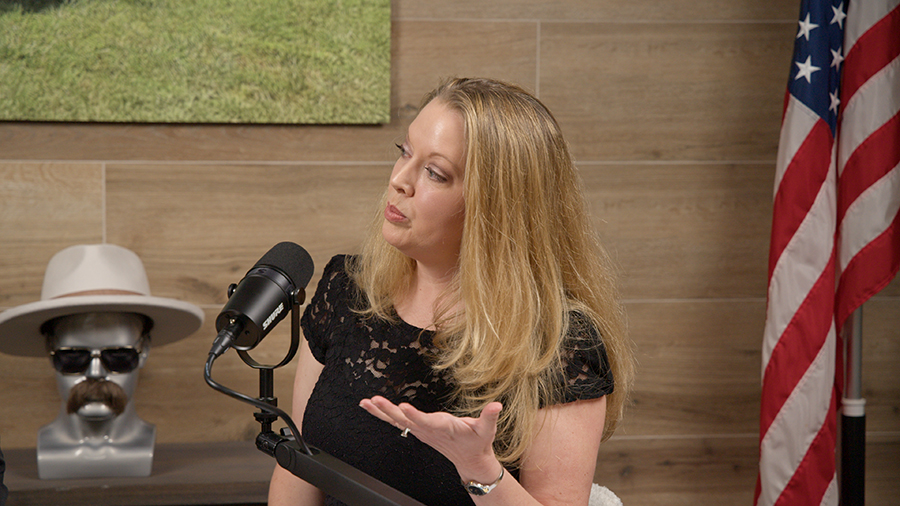
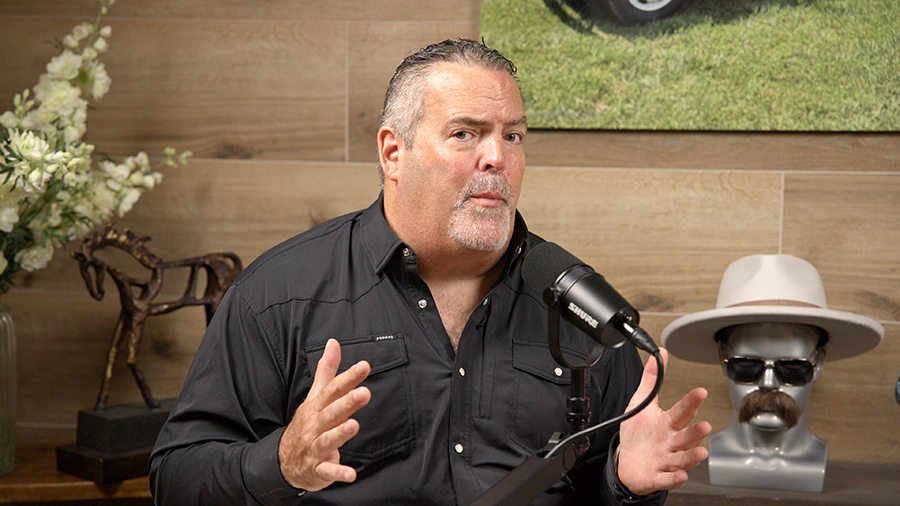
Estate planning isn’t just for the wealthy—it’s for anyone who wants a say in what happens to their assets, health care, and loved ones. In this Farm Truck Financial conversation, Eric Kearney, President of Retirement Wealth Advisors, is joined by estate planning attorney Katherine Payne to demystify wills, probate, asset protection, and the essential documents every Floridian should have.
Important Note (Not Legal Advice)
The information below is for general education. It does not create an attorney-client relationship. Your situation is unique. Consult a qualified Florida attorney for advice specific to you.
Meet Attorney Katherine Payne
With 21 years focused exclusively on estate planning, Katherine brings a practical, people-first perspective. Raised by her grandparents, she’s drawn to helping older adults and families navigate complex decisions with clarity and compassion. Her philosophy: keep it simple, reduce jargon, and solve problems.
Why Estate Planning Matters (Even If You “Don’t Have Much”)
If you don’t make a plan, Florida has a default plan for you called intestacy. That can lead to outcomes you wouldn’t choose, particularly in blended families. Proactive planning keeps decisions with you, not the courts.
The “Roof and Rooms” Framework: 5 Core Areas
Katherine’s simple mental model: estate planning is the roof; under it are five key “rooms.” Strong plans consider all five, not just one in isolation.
- Probate: The legal process to transfer title from a decedent’s name to beneficiaries.
- Probate Avoidance: Titling, beneficiary designations, or trusts to help assets pass outside probate.
- Asset Protection: Strategies to safeguard what you own—especially your Florida homestead.
- Taxation: Income, estate, and capital gains considerations tied to how and when assets pass.
- Capacity Planning: Preparing for incapacity so trusted people can act on your behalf.
Probate in Plain English
Probate becomes necessary when an asset is titled in your individual name at death and has no beneficiary. Your will provides the instructions (who’s in charge, who gets what), and the court process moves legal title to your beneficiaries. Without a will, Florida’s intestacy laws control distribution—which may surprise you, especially with second marriages or adult children from prior relationships.
Florida Homestead & Asset Protection
Florida’s homestead laws provide powerful protections for your primary residence. In general, if you pay your mortgage, taxes, and legitimate contractors, your home equity enjoys significant protection from most creditors. Newer residents should note that some protections require a period of Florida residency before they fully apply. Because rules vary by state and situation, review your facts with a Florida attorney.
The Essential Document Set (Start Here)
- Last Will & Testament: Names a personal representative (executor) and outlines who receives probate assets.
- Revocable Living Trust (when appropriate): Can coordinate assets, help avoid probate, and provide ongoing management for heirs.
- Durable Power of Attorney (Florida-compliant): Empowers a trusted agent to act on financial and legal matters. Florida requires specific powers to be expressly listed; “blanket” forms are ineffective.
- Designation of Health Care Surrogate: Names who makes medical decisions if you cannot.
- Living Will: States your preferences about life-prolonging measures and end-of-life care.
- Pre-Need Guardian Declaration: Tells the court whom you’d want as guardian if ever required.
- Beneficiary Review: Keep beneficiaries current on IRAs, 401(k)s, annuities, and life insurance. Outdated designations (e.g., ex-spouses) are a common—and costly—surprise.
How Katherine’s Process Reduces Overwhelm
- Onboarding Call: A few simple questions to understand goals and family dynamics.
- Discovery Meeting: Clarify priorities, decision-makers, and beneficiaries; identify assets and titling.
- “Homework,” When Needed: Short, focused to-dos (e.g., lists of accounts, beneficiary updates).
- Drafts & Review: Documents are prepared, sent for review, and adjusted as needed.
- Signing & Funding: Execute documents properly; retitle or fund trusts; align beneficiaries.
Some plans can be completed in one or two visits; others take an extra follow-up to make sure you’re comfortable. No pressure, just progress.
Blended Families, Changing Lives
Marriages, divorces, new grandchildren, business sales, and relocations change the planning picture. Review your plan after major life events and at least every few years to ensure it still reflects your wishes and Florida law.
Don’t Wait: The Cost of Procrastination
Certain documents require that you have capacity to sign. If a loved one has already lost capacity, powers of attorney and similar tools are no longer available you may need a court-supervised guardianship instead, which is more time-consuming and expensive. Acting early preserves options and reduces stress for everyone.
Quick Start Checklist
- List your major assets and how each is titled.
- Gather existing documents (will, POA, trust, health care directives).
- Confirm and update all beneficiary designations.
- Choose your decision-makers: personal representative, trustee, agents, health care surrogate.
- Discuss end-of-life preferences with your family and document them.
- Schedule a consultation with a Florida estate planning attorney to tailor and finalize.
Where Financial & Estate Planning Meet
A great retirement plan integrates income, taxes, investments, health care, and estate documents so everything works together. Your financial planner and your attorney should coordinate to keep your plan cohesive and current.
Work With Trusted Pros
Our Retirement Wealth Advisors team regularly collaborates with local estate planning attorneys like Katherine to help clients put complete, Florida-aware plans in place. If you have questions or want a second opinion, we’re here to help.
Take the Next Step
Ready to move from “someday” to done? Get a farm-fresh second opinion on your retirement and estate plan. Start at MyIncomePlan.com and we’ll help you coordinate the right legal and financial pieces, so your wishes are clear, your family is protected, and your future feels simpler.
Important Note (Not Legal Advice)
The information below is for general education. It does not create an attorney-client relationship. Your situation is unique. Consult a qualified Florida attorney for advice specific to you.
Meet Attorney Katherine Payne
With 21 years focused exclusively on estate planning, Katherine brings a practical, people-first perspective. Raised by her grandparents, she’s drawn to helping older adults and families navigate complex decisions with clarity and compassion. Her philosophy: keep it simple, reduce jargon, and solve problems.
Why Estate Planning Matters (Even If You “Don’t Have Much”)
If you don’t make a plan, Florida has a default plan for you called intestacy. That can lead to outcomes you wouldn’t choose, particularly in blended families. Proactive planning keeps decisions with you, not the courts.
The “Roof and Rooms” Framework: 5 Core Areas
Katherine’s simple mental model: estate planning is the roof; under it are five key “rooms.” Strong plans consider all five, not just one in isolation.
- Probate: The legal process to transfer title from a decedent’s name to beneficiaries.
- Probate Avoidance: Titling, beneficiary designations, or trusts to help assets pass outside probate.
- Asset Protection: Strategies to safeguard what you own—especially your Florida homestead.
- Taxation: Income, estate, and capital gains considerations tied to how and when assets pass.
- Capacity Planning: Preparing for incapacity so trusted people can act on your behalf.
Probate in Plain English
Probate becomes necessary when an asset is titled in your individual name at death and has no beneficiary. Your will provides the instructions (who’s in charge, who gets what), and the court process moves legal title to your beneficiaries. Without a will, Florida’s intestacy laws control distribution—which may surprise you, especially with second marriages or adult children from prior relationships.
Florida Homestead & Asset Protection
Florida’s homestead laws provide powerful protections for your primary residence. In general, if you pay your mortgage, taxes, and legitimate contractors, your home equity enjoys significant protection from most creditors. Newer residents should note that some protections require a period of Florida residency before they fully apply. Because rules vary by state and situation, review your facts with a Florida attorney.
The Essential Document Set (Start Here)
- Last Will & Testament: Names a personal representative (executor) and outlines who receives probate assets.
- Revocable Living Trust (when appropriate): Can coordinate assets, help avoid probate, and provide ongoing management for heirs.
- Durable Power of Attorney (Florida-compliant): Empowers a trusted agent to act on financial and legal matters. Florida requires specific powers to be expressly listed; “blanket” forms are ineffective.
- Designation of Health Care Surrogate: Names who makes medical decisions if you cannot.
- Living Will: States your preferences about life-prolonging measures and end-of-life care.
- Pre-Need Guardian Declaration: Tells the court whom you’d want as guardian if ever required.
- Beneficiary Review: Keep beneficiaries current on IRAs, 401(k)s, annuities, and life insurance. Outdated designations (e.g., ex-spouses) are a common—and costly—surprise.
How Katherine’s Process Reduces Overwhelm
- Onboarding Call: A few simple questions to understand goals and family dynamics.
- Discovery Meeting: Clarify priorities, decision-makers, and beneficiaries; identify assets and titling.
- “Homework,” When Needed: Short, focused to-dos (e.g., lists of accounts, beneficiary updates).
- Drafts & Review: Documents are prepared, sent for review, and adjusted as needed.
- Signing & Funding: Execute documents properly; retitle or fund trusts; align beneficiaries.
Some plans can be completed in one or two visits; others take an extra follow-up to make sure you’re comfortable. No pressure, just progress.
Blended Families, Changing Lives
Marriages, divorces, new grandchildren, business sales, and relocations change the planning picture. Review your plan after major life events and at least every few years to ensure it still reflects your wishes and Florida law.
Don’t Wait: The Cost of Procrastination
Certain documents require that you have capacity to sign. If a loved one has already lost capacity, powers of attorney and similar tools are no longer available you may need a court-supervised guardianship instead, which is more time-consuming and expensive. Acting early preserves options and reduces stress for everyone.
Quick Start Checklist
- List your major assets and how each is titled.
- Gather existing documents (will, POA, trust, health care directives).
- Confirm and update all beneficiary designations.
- Choose your decision-makers: personal representative, trustee, agents, health care surrogate.
- Discuss end-of-life preferences with your family and document them.
- Schedule a consultation with a Florida estate planning attorney to tailor and finalize.
Where Financial & Estate Planning Meet
A great retirement plan integrates income, taxes, investments, health care, and estate documents so everything works together. Your financial planner and your attorney should coordinate to keep your plan cohesive and current.
Work With Trusted Pros
Our Retirement Wealth Advisors team regularly collaborates with local estate planning attorneys like Katherine to help clients put complete, Florida-aware plans in place. If you have questions or want a second opinion, we’re here to help.
Take the Next Step
Ready to move from “someday” to done? Get a farm-fresh second opinion on your retirement and estate plan. Start at MyIncomePlan.com and we’ll help you coordinate the right legal and financial pieces, so your wishes are clear, your family is protected, and your future feels simpler.