The New Rules of Retirement: Why Old Strategies No Longer Work
The New Rules of Retirement Are Here
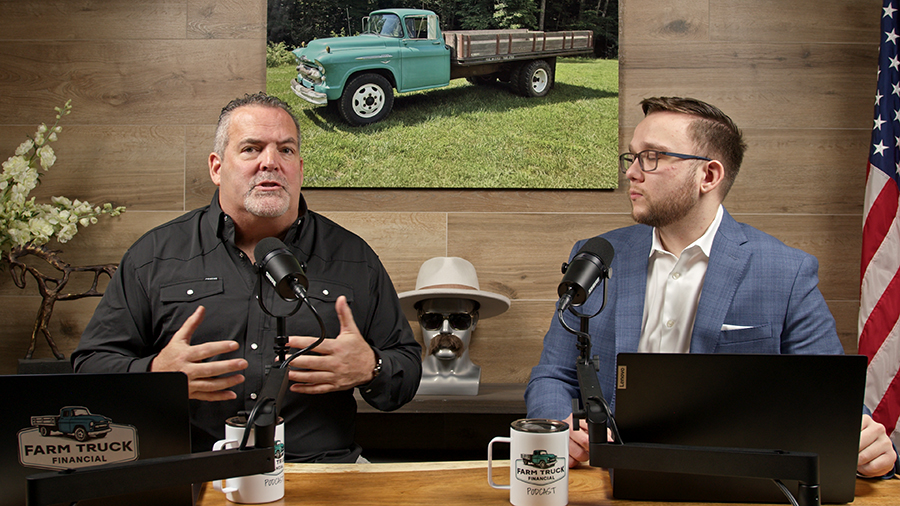
Retirement today is not built on the same foundation it was decades ago. In this episode of Retirement Talk with Eric Kearney, Eric Kearney and Joseph Lanza explain why the traditional retirement playbook is becoming less reliable and why modern retirees need a more personalized strategy to stay financially secure.
Hosted by Cynthia DeFazio, the conversation explores how rising healthcare costs, disappearing pensions, longer life expectancy, inflation, and market volatility are all changing the retirement landscape. For many people, the old assumptions that worked for their parents or grandparents simply do not match today’s financial reality.
Why the Old Retirement Model No Longer Fits
One of the biggest points made in this discussion is that retirement used to be far more predictable. Workers often had pensions, lower healthcare costs, and a shorter retirement window. Today, retirees may spend 25 to 35 years in retirement, which means their money has to do far more heavy lifting over a much longer period of time.
Eric points out that retirees are facing a completely different environment than previous generations. Housing costs, insurance, HOA fees, healthcare expenses, and market swings can all put pressure on a retirement plan. That makes preparation more important than ever.
Why Longevity Changes Everything
Joseph explains that living longer is a blessing, but it also creates a bigger planning challenge. Retirement is no longer just about reaching the finish line of your career. It is about building a strategy that can support decades of income, lifestyle goals, and rising costs without running out of money too soon.
That is why Retirement Wealth Advisors emphasizes customized income planning. A retirement plan should help people feel confident whether they spend 15 years in retirement or well over 30 years.
The Risk of Relying Too Heavily on Social Security
The episode also tackles the risks of depending too much on Social Security. Joseph explains that Social Security was never meant to serve as a retiree’s only income source. It was originally designed to supplement other income, such as pensions. With fewer workers supporting more retirees, the system is under increasing pressure.
Rather than relying on government benefits alone, the discussion encourages retirees to create multiple reliable income streams and build a strategy that gives them more control over their future.
Healthcare and Long-Term Care Must Be Planned For
Eric highlights one of the most overlooked parts of retirement planning: healthcare and long-term care costs. These expenses are not small, and they are not optional. They can become major financial burdens if they are not factored into a plan early.
That is why a real retirement income plan should account for healthcare expenses, long-term care possibilities, and inflation. Without that planning, people may assume they are in far better shape than they really are.
Why Outdated Investment Thinking Can Hurt Retirees
This episode also challenges several outdated retirement strategies. Eric explains why the old buy-and-hold mindset may not be enough in a more volatile market. Joseph adds that common rules of thumb, like the 4% rule, may no longer fit today’s inflation, tax environment, and market conditions.
The takeaway is clear: retirees should not assume that what worked decades ago will work now. Modern retirement planning requires a strategy built for today’s conditions, not yesterday’s assumptions.
How a Personal Financial Blueprint Helps
One of the most valuable parts of the episode is the discussion around the personal financial blueprint. Eric and Joseph describe it as a tool that helps people clearly understand what they own, how much risk they are taking, where their weaknesses may be, and how their portfolio aligns with their retirement goals.
For many people, this process provides clarity they have never had before. Instead of feeling overwhelmed by financial jargon, they are given a clearer picture of their current situation and practical steps they can take to improve it.
Retirement Planning Should Be Personal
The message throughout the show is that retirement planning should not be generic. It should reflect your lifestyle goals, your concerns, your income needs, and the challenges of the current economy. Whether someone wants to travel more, prepare for healthcare costs, reduce risk, or better understand their investments, a personalized approach matters.
That is especially true in a time when retirement itself has become more dynamic. People are traveling more, living longer, and pursuing more active lifestyles than ever before. A retirement plan should be built to support that reality.
Moving Forward with More Confidence
This episode of Retirement Talk with Eric Kearney offers a practical reminder that retirement has changed and planning must change with it. The right strategy can help retirees move beyond fear, confusion, and outdated assumptions and toward greater confidence and clarity.
Viewers who want to learn more are encouraged to visit myincomeplan.com to explore available retirement resources, request a second opinion, or learn more about creating a personal financial blueprint and income plan.