Stronger Longer: Senior Strength Training & Alzheimer’s Risk
How Strength Training Helps You Age Well In Retirement
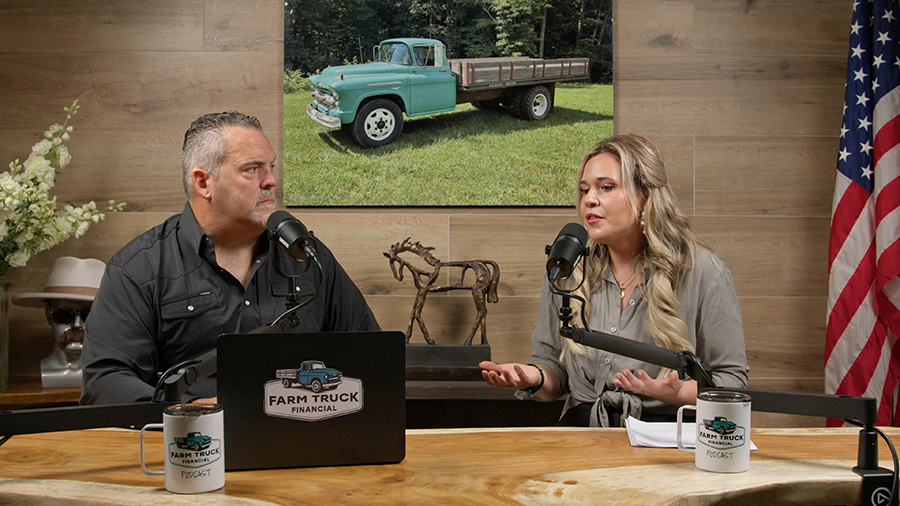
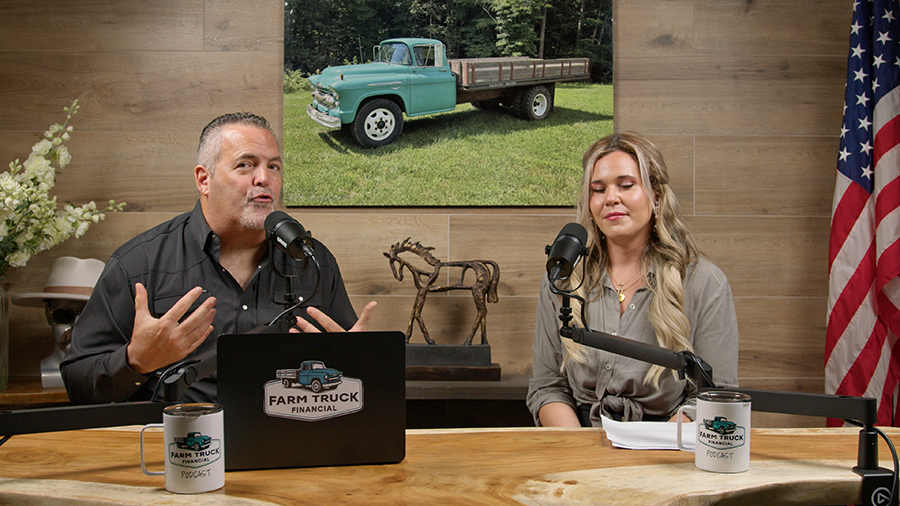
Retirement is often pictured as a long, relaxing stretch of time filled with travel, hobbies, and grandkids. But there is one reality many people don’t think about until it is almost too late: none of that matters if you lose your strength, mobility, and independence. In this episode of Farm Truck Financial, Eric Kearney sits down with senior-focused personal trainer Lauren Gomes to talk about why muscle is the “organ of longevity” and how strength training can completely change the way you experience your later years.
From Family Tragedy To A Lifelong Mission
Lauren’s story doesn’t start in a gym; it starts in a hospital room. In her late teens, her father suffered an aortic aneurysm that spiraled into a medical crisis. He was only in his mid-50s, but a combination of stress, lifestyle, and health factors had taken a quiet toll over time. After months in a coma, Lauren lost her dad at just 19 years old.
On top of that grief, she faced a failing marriage, the emotional weight of rebuilding one of her parents’ Dunkin Donuts stores after a tornado, and years of chronic stress and emotional eating. She describes that stretch of life as a blur of trauma, sugar, and survival. Exercise was not on the radar. Health was an afterthought. Like many families, they did what they believed they were supposed to do: work hard, chase the American dream, and put career and financial stability first.
Looking back, Lauren realized that no one had ever talked to her family about blood pressure, fitness, or the long-term impact of the “typical” American diet. That loss became a turning point. The one person she couldn’t save became the reason she dedicated her life to helping others protect their health.
Living In A Sit-Down Culture
Today’s culture is designed for convenience and sitting. We sit at work. We sit during the commute. We sit on the couch to unwind in front of a screen. Food is available at the tap of an app, and most of what is advertised to us is fast, processed, and sugar-heavy.
Lauren explains that this combination is a perfect storm for weight gain, muscle loss, and chronic disease. Many of her clients in their 50s, 60s, and 70s tell similar stories: they didn’t notice the changes happening. A few pounds here, a little stiffness there, a bit more fatigue. Then suddenly it becomes difficult to get off the floor, lift a suitcase into an overhead bin, or carry groceries up the stairs.
By the time retirement arrives, they may have enough money saved, but not enough physical capacity to enjoy the life they planned. That is where strength training becomes essential, not optional.
Muscle: The Organ Of Longevity
One of Lauren’s core messages is simple and powerful: muscle is the organ of longevity. When you build and maintain muscle, you are not just changing your appearance; you are changing how your entire body functions.
She explains that muscle acts as a “glucose sink.” When you eat carbohydrates, your body breaks them down into glucose. That glucose has to go somewhere. If you have adequate muscle mass, your muscles absorb and use that glucose as fuel. If you have much more fat tissue than muscle tissue, excess glucose is more likely to be stored as fat and contribute to insulin resistance, type 2 diabetes, and systemic inflammation.
Over time, elevated blood sugar and inflammation can also affect the brain. Researchers have started calling Alzheimer’s disease “type 3 diabetes” because of the growing evidence linking excess glucose and insulin resistance to cognitive decline. Lauren highlights the importance of protecting the blood-brain barrier, reducing sugar overload, and using strength training as a major tool in preserving cognitive health.
In other words, building muscle isn’t just about looking toned in your 60s. It is about maintaining your independence, protecting your brain, and giving your body somewhere healthy to put the sugar that today’s food environment constantly throws at you.
Training Seniors For Function, Not Just Fitness
When Lauren works with seniors, she isn’t focused on vanity or bodybuilding. She is focused on function. The goal is to make everyday life easier and safer: getting out of a chair without using your hands, catching yourself when you trip, lowering yourself to the floor and getting back up, or loading a suitcase without losing your balance.
Her approach centers on compound movements—exercises that use multiple muscle groups at once. Movements like squats, deadlifts with appropriate modifications, pushes, pulls, and carries engage the core, legs, and upper body together. For clients who may only be able to train two or three times per week, compound exercises offer the most return on their investment of time and effort.
This kind of training directly supports fall prevention, joint stability, and balance. For someone in their 60s or 70s, the difference between having the strength to catch a stumble and falling hard can mean the difference between staying independent and facing a long recovery in a rehab facility.
The Psychology Of Training And Mind–Muscle Connection
Lauren is also studying psychology and plans to continue into natural medicine. She sees clearly how much of health and fitness is driven by the mind. It is not enough to simply show up at the gym and go through the motions. Your mindset dictates your consistency, your effort, and even how your body responds to the work you do.
One concept she stresses with clients is mind–muscle connection. When you focus on the specific muscle you are working and consciously squeeze and control that muscle through each repetition, you can dramatically increase the effectiveness of the exercise. You get more out of the same amount of time and weight simply by being mentally engaged.
She also talks about the impact of strength training on mood. Lifting weights naturally influences neurotransmitters such as dopamine and serotonin, which support motivation, focus, and emotional well-being. Many people notice that when they stop moving, their mood declines; aches, anxiety, and low motivation creep in. Movement is not just a physical intervention—it is a psychological one.
Alzheimer’s, Caregiving, And A New Health Mindset
During the conversation, Eric shares his own experience walking through his father’s Alzheimer’s journey. Like many in that generation, his father never saw exercise as a priority. Health was handled reactively, not proactively. By the time the disease took hold, the burden on Eric’s mother as caregiver was enormous, and the emotional weight lasted for years.
Both Eric and Lauren point out that today’s retirees and pre-retirees have a chance to do things differently. You cannot control everything, but you can choose to build as much strength, resilience, and metabolic health as possible while you still can. That choice may not just impact your own quality of life; it may also spare your spouse or family from some of the hardest aspects of long-term caregiving.
Your Body Is Your New Retirement Status Symbol
We live in a world where people often show their “success” through cars, watches, and houses. But as Lauren and Eric discuss, true status in retirement is increasingly tied to something more personal: your body. A strong, healthy, functional body is the one thing you cannot simply buy. You have to earn it through consistent choices around food, movement, sleep, and stress.
When you walk into a room and you are clearly taking care of yourself, it sends a message. It reflects a level of self-respect, discipline, and intentional living that money alone cannot convey. In many ways, your health is your real billboard—especially in the later chapters of life.
Integrating Health And Wealth In Your Retirement Plan
On Farm Truck Financial, Eric often reminds viewers that financial planning and life planning go hand in hand. It is not enough to simply accumulate assets; you need a strategy that supports the life you want to live—physically, emotionally, and mentally.
Strength training and healthy habits are part of that bigger picture. Healthcare costs, long-term care risks, and the challenges of chronic disease can erode even a well-built portfolio. On the other hand, investing in your body and your health can pay dividends in lower medical expenses, greater independence, and the freedom to actually enjoy the retirement you worked so hard to fund.
If you have questions about how your financial plan supports the life you want to live, and how to proactively prepare for healthcare and longevity risks, the team at Retirement Wealth Advisors is here to help. Just as you might hire a trainer like Lauren to guide your fitness, you can partner with a financial professional to guide your retirement strategy.
Ready To Take The Next Step?
Maybe you see yourself in Lauren’s story—stressed, busy, and not paying much attention to your health. Maybe you have already noticed that getting off the floor or lifting baggage is harder than it used to be. Or perhaps you are caring for a parent with cognitive decline and wondering what you can do differently for yourself.
Wherever you are starting from, you are not too old and it is not too late. Building muscle, improving your nutrition, and strengthening your mind–body connection can start today, at your current level, with the right guidance. And in the same way, getting a clear, customized retirement plan does not require perfection—it just requires a first step.
If you would like help aligning your financial plan with the life and health you want in retirement, reach out to Eric Kearney and the team at Retirement Wealth Advisors for a complimentary conversation. You only retire once. Make sure you give your body, your brain, and your money the best chance to carry you through those years strong, independent, and fully engaged.