Stop Tax Surprises: RMDs, Inherited IRAs & Planning Now
Smart Tax Moves Before 73: RMDs, Inherited IRAs, and Team-Based Planning
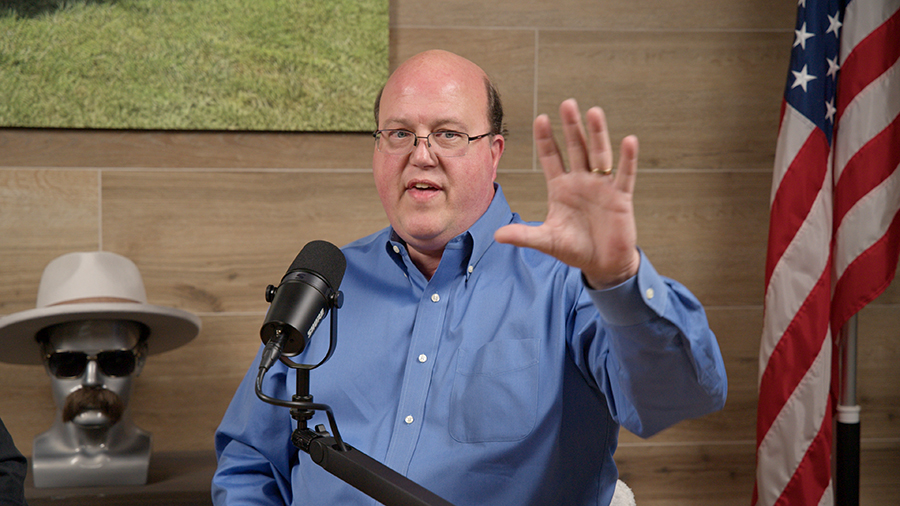
Most people hate taxes, Ray Kidwell, EA doesn’t! In this Farm Truck Financial conversation, Eric Kearney (Retirement Wealth Advisors) and Ray explain how to get ahead of RMDs, inherited IRAs, Social Security timing, and year-round planning so your money works harder and your surprises get smaller.
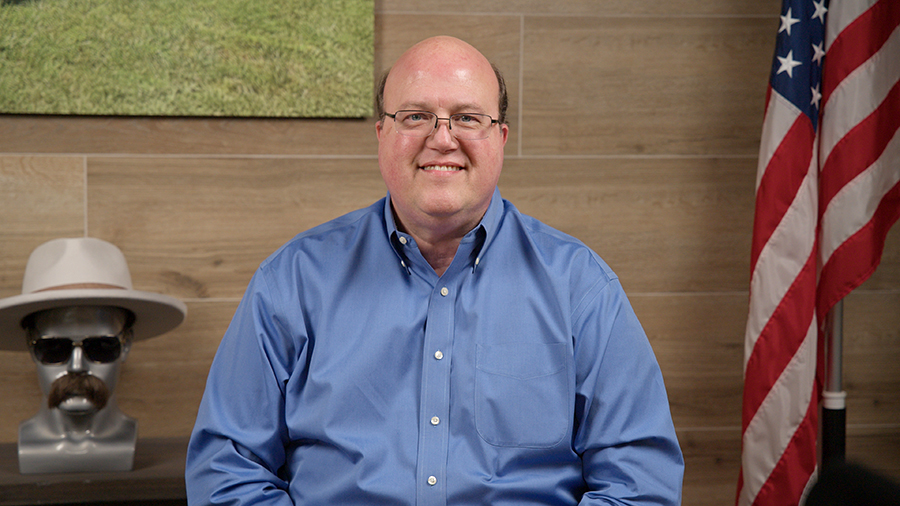
Meet the Expert: Ray Kidwell, Enrolled Agent
Ray’s path runs from nights on the grill at Shoney’s to district management, into corporate accounting, and then international tax exposure with a global acquirer. After relocating to Southwest Florida, he dove into personal tax at H&R Block, discovered he loved client work, and eventually built a year-round, client-first practice with offices in Bonita Springs and Fort Myers. The most common compliment he hears? “You actually answered the phone.”
Year-Round Planning Beats Last-Minute Panic
“Rush planning” in late December leaves only days to maneuver. Ray recommends checking in well before year-end—October is ideal—so you can model options, execute conversions, and avoid unnecessary surprises on April 15.
Florida Snowbirds: Residency and Capital Gains
Owning homes in two states can create false confidence about exemptions. Without proactive guidance, that “old home up north” might be treated as investment property, changing how gains are taxed. A quick call before you list or close can save headaches later.
RMDs: What Happens at Age 73
Required Minimum Distributions begin at age 73. Your calculation starts with the prior year-end balance (e.g., 12/31) and a life-expectancy factor. RMDs can push you into a higher bracket, affect Medicare premiums, and impact other income decisions—making multi-year planning crucial.
Roth Conversions Before RMD Age
Converting a portion of traditional IRA dollars to Roth before RMDs start can smooth your tax curve in retirement. It’s not about guessing—it’s about testing: bracket thresholds, healthcare impacts, and future income needs. October reviews give you runway to act confidently.
Inherited IRAs: The 10-Year Reality
Many heirs don’t realize distributions often must be completed within 10 years. Whether you spread withdrawals or take a lump sum, the choice changes your tax picture. Coordinating with your advisor can align withdrawals with careers, retirement dates, or charitable goals.
Team Up: Advisor + Tax Pro + Attorney
Build a financial team. Your advisor plans income and portfolio strategies, your tax pro models bracket management and withholdings, and your attorney aligns estate documents with your intentions. When they collaborate, decisions get simpler—and smarter.
Forecasting vs. Filing
Tax prep looks backward. Tax planning looks forward. Ray uses multi-year comparisons to spot patterns, then models what’s next—RMDs arriving in three years, parents transitioning to care, or an impending inheritance—so you can act on opportunities rather than react to bills.
Education Matters (Because Headlines Don’t)
Most retirees have heard of the SECURE Acts or newsy “big bills,” but only at the surface level. The real wins are buried in the details—standard deduction nuances, treatment of tips and self-employment income, or timing moves that reduce overall taxes. That’s where a coordinated team earns its keep.
Five Pillars We Use at Retirement Wealth Advisors
- Financial Plan – Clear goals and trade-offs.
- Income Plan – Sustainable, tax-aware cash flow.
- Tax Plan – Bracket management, RMDs, conversions.
- Portfolio Management – Risk, cost, and discipline.
- Concierge Service – Real people who answer the phone.
Your Next Best Step
If you are approaching age 70–73, recently inherited an IRA, or are debating Social Security timing, schedule a proactive review now. Time is the one planning asset you can’t buy back—use it.
Disclaimer
This content is educational and not individualized tax, legal, or investment advice. Consult your tax professional, financial advisor, and attorney about your specific situation.