Simple Daily Habits to Reduce Stress, Improve Patience, and Enjoy Life More
Mindfulness in Retirement Planning: Why “Being Present” Protects More Than Your Mood
Most people hear “retirement planning” and immediately think about money. Accounts. Income. Tax strategy. Market risk. Those are real, and they matter. But if your entire plan only protects your finances, you can still end up feeling stressed, rushed, and disconnected in the very season of life you worked so hard to reach.
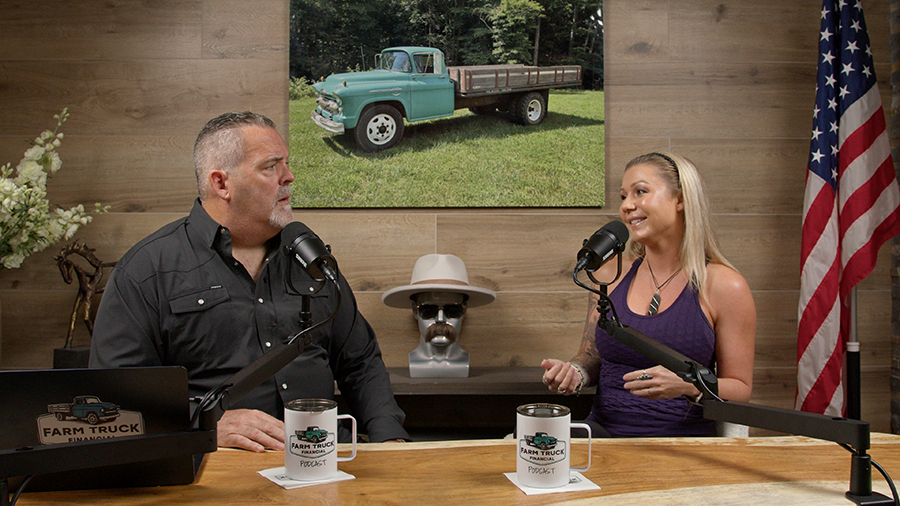
In this Farm Truck Financial episode, Eric Kearney (President of Retirement Wealth Advisors) sits down with repeat guest Dani Tourony to talk about mindfulness, and why it belongs in the same conversation as investing. Not as a trend, and not as a vague “self-care” idea, but as a practical tool for living better now and building a retirement lifestyle that actually feels like yours.
Mindfulness Is Free, But It’s Not Effortless
Eric frames mindfulness in a way that lands with busy people: it doesn’t cost anything, but it does require work. Mindfulness isn’t a product you buy, it’s a skill you practice. The “cost” is attention, consistency, and the willingness to pause when your brain wants to sprint ahead.
And that’s exactly why it matters for retirees and pre-retirees. Because stress doesn’t always disappear when you stop working. If anything, the habits you built under pressure can follow you into retirement. Without intention, it’s easy to bring the same rushed mindset into a schedule that’s supposed to be more flexible and fulfilling.
The Coffee Question That Exposed the Real Problem
One of the most relatable moments in the conversation is Eric’s story about his longtime friend, “Moni.” Moni is the opposite of Eric: more spontaneous, less structured, and totally comfortable living in the moment. During a visit, Moni sits outside with coffee, enjoying the view, and asks Eric a simple question that hits harder than it should:
“Did you ever drink your coffee out here?”
Eric’s immediate response is what most high-achievers will recognize: “Nope,” and then he’s out the door, already mentally running the day before the day even starts. But later, the question lands. Why not drink the coffee outside? Why rush past a peaceful moment that’s literally available every morning?
That’s mindfulness in plain language: noticing what’s happening right now, and allowing yourself to actually live it.
Easy Mindfulness Practices You Can Start Without Changing Your Life
Dani makes mindfulness feel doable by grounding it in small actions. Not a dramatic lifestyle overhaul. Just simple ways to return to the present moment.
Try this on a walk: get outside and name what you see. Not as a “game,” but as a way to anchor attention. Tree. Bird. Breeze. Sun. Sound. You’re training your mind to stop time-traveling into worry and return to what’s real.
Try this while eating: slow down and actually taste your food. Notice the texture. The temperature. The flavor. Ask yourself how it’s nourishing you. This isn’t about rules or perfection. It’s about breaking the autopilot cycle that makes days blur together.
Try this with breathwork: Dani mentions different breathing styles, including box breathing and “ocean breath.” The bigger point isn’t which method is best. It’s that your breath can be a switch you control, even when everything else feels noisy. A minute of intentional breathing can change the tone of the next hour.
Mindfulness Can Improve Relationships Because People Can Feel Your Attention
There’s a line in the conversation that’s worth sitting with: you can tell when someone isn’t fully tuned in. Even if they’re smiling. Even if they’re physically there. We feel it.
Mindfulness helps because it pulls your attention back into the room, back into the conversation, back into the people you care about. And in retirement, relationships often become even more central. Your family, your spouse, your friends, your community. If your mind is always somewhere else, you miss the very thing you worked toward.
Stress, Patience, and the Retirement You Don’t Need a Vacation From
Eric connects mindfulness to something a lot of people quietly struggle with: patience as you get older. Bodies change. Energy changes. Tolerance for nonsense changes. Many people notice they become quicker to frustration, especially in situations like driving.
He describes a shift he made: instead of letting a single bad interaction hijack his entire evening, he mentally releases it. “He’s going that way, I’m going this way.” That’s mindfulness in real time. You’re not denying what happened. You’re choosing not to carry it home.
Dani also shares a simple but powerful goal: create a life you don’t need a vacation from. Mindfulness supports that because it keeps you connected to daily life, not just the “big moments.”
Mindful Cooking: A Practical Place to Practice Being Present
One of the best parts of the episode is how specific Dani gets about where mindfulness fits in her own life. For her, it’s cooking. Choosing ingredients. Thinking about what the meal will do for the body. Paying attention to the process. Then enjoying the meal slowly, with gratitude, and often with family.
This matters for retirement planning because retirees often need structure that feels meaningful. Mindful routines can become the “anchors” that make life feel rich, not rushed. It could be cooking, gardening, fishing, walking, volunteering, or sitting outside with coffee. The activity is personal. The practice is the same: show up for it.
When Weeks Feel Like a Blur, Mindfulness Helps You Get Your Life Back
Eric shares something a lot of hardworking people experience: Monday becomes Friday in no time. You love what you do, but you’re moving so fast that your own life becomes a haze. Mindfulness helps you slow down enough to remember your week, not just survive it.
He gives examples of what becomes visible again when you’re present: lunch with your mom, time with friends, walking your dog, planning a trip, doing a podcast you actually enjoyed. Those aren’t “extra.” That’s the point.
How This Ties Back to Retirement Wealth Advisors
At Retirement Wealth Advisors, the goal isn’t just to build a plan on paper. It’s to help you build a life that matches your goals, income needs, and the way you actually want to spend your time. This episode is a reminder that lifestyle planning is real planning, and mindfulness is one of the tools that helps you enjoy what you’ve built.
A Final Reminder for Procrastinators
The episode ends with a message that hits hard: time is one investment you can’t buy back. If you keep telling yourself “someday,” months turn into years. The best time to start was yesterday. The next best time is right now.
If you want a retirement plan that supports both your finances and your quality of life, don’t wait until stress becomes your default setting. Start planning, start practicing, and start showing up for the moments you’re living through.