Medicare Mistakes That Can Cost You Thousands
Navigating Medicare at 60, 65, and 75: Your Decade of Decisions
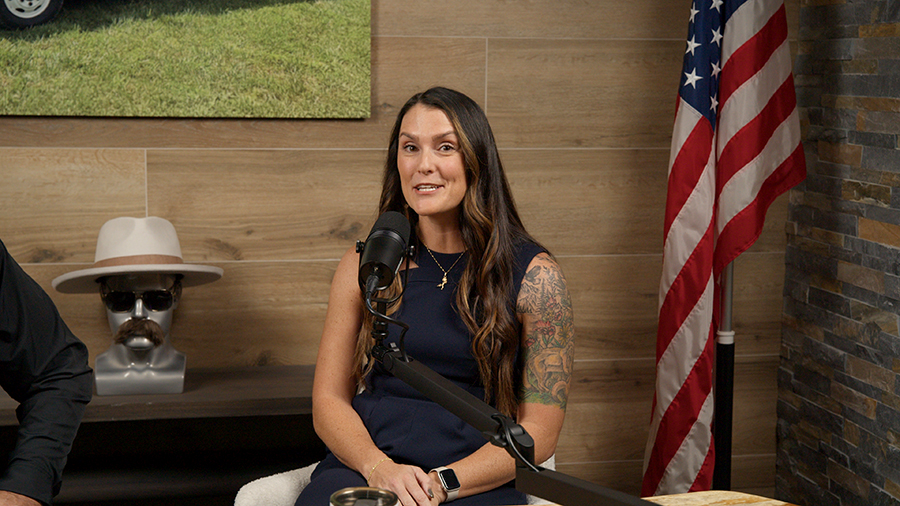
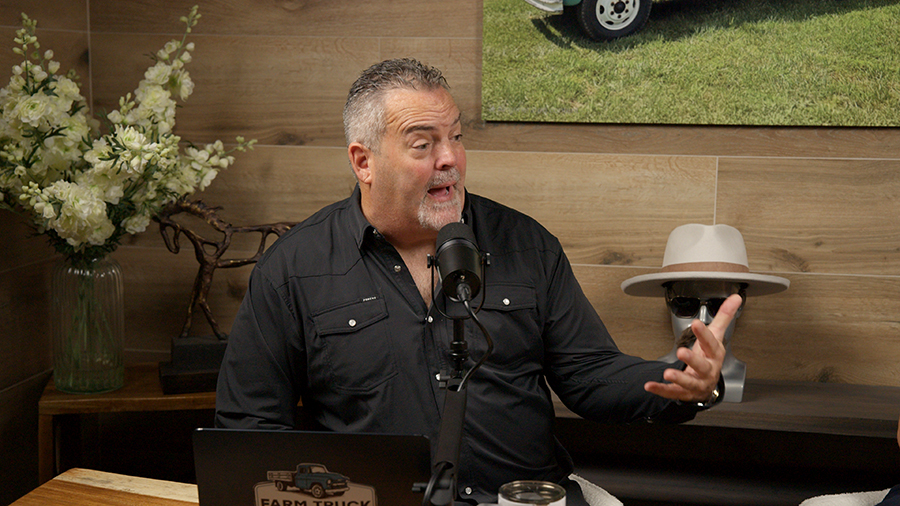
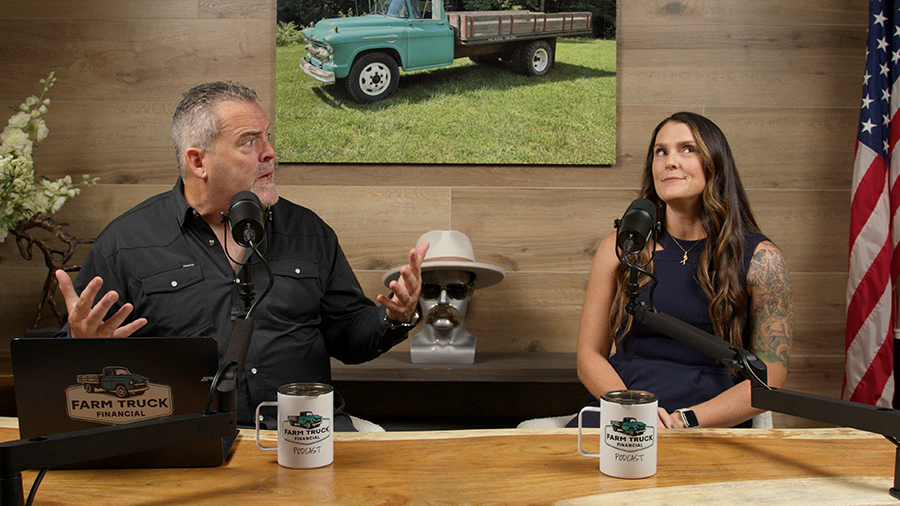
Medicare isn’t just a healthcare program. For retirees and pre-retirees, it is one of the biggest financial decisions you will make. In this episode of Farm Truck Financial, Eric Kearney, president of Retirement Wealth Advisors, sits down with Medicare specialist and Cape Coral native Carmella Rose to unpack how Medicare fits into your overall retirement plan.
Meet Your Guides: Eric Kearney and Carmella Rose
Eric Kearney has been helping families plan for retirement for more than 25 years. Through Farm Truck Financial, he combines real-world conversations with practical planning strategies, all from the driver’s seat of his classic farm truck.
Joining him on this episode is Carmella Rose, a Cape Coral “rare gem” who was born and raised in Southwest Florida. A proud FGCU Eagle with a degree in business management, she transitioned from running a wholesale wine business to joining her mother in the insurance world. Carmella has spent more than a decade specializing in Medicare, helping retirees understand their options and avoid costly mistakes.
As a mom, wife, and lifelong Southwest Florida local, she knows firsthand how quickly the area has grown, how busy life can get, and how easy it is to put off complex decisions like Medicare.
Why Medicare Is a Financial Planning Issue
Many people think of Medicare as a simple, isolated decision you make when you turn 65. Eric and Carmella push back on that idea. Medicare choices affect:
- How much you pay for healthcare today and in the future
- What doctors and hospitals you can use
- Your prescription drug costs
- How your income and tax planning interact with Medicare premiums and penalties
In other words, Medicare must be integrated with your financial plan, income plan, and tax plan. If you treat it as a stand-alone decision or simply “pick a plan and hope for the best,” you could end up with gaps in coverage or long-term penalties that shrink your retirement lifestyle.
The Three Ages Everyone Worries About: 60, 65, and 75
From Eric’s experience, there are three ages that feel especially important to people planning for retirement:
- Age 60: A wake-up call. Retirement suddenly feels real, and many people start to “freak out” about whether they are ready. Income, savings, and long-term goals move to the front of the mind.
- Age 65: The Medicare moment. Questions explode: “Do I have to enroll? Should I stay on my employer plan? What if I miss something?” This is where Carmella’s expertise comes in.
- Age 75: The health-heavy decade. By this point, you should have your finances in order, because more of your focus naturally shifts to health, medical costs, and long-term care needs.
Eric and Carmella refer to the window from 60 to 70 as the “Decade of Decisions.” Social Security, pensions, withdrawals, taxes, and Medicare all interact during this time. The choices you make in this decade can either protect your future or make it much more expensive.
Annual Election Period: Why October 15–December 7 Matters
One of the biggest points in the episode is understanding the Annual Election Period (AEP). Every year, from October 15 to December 7, Medicare beneficiaries can review and change certain parts of their coverage.
Carmella emphasizes that many people assume, “My plan worked last year, I don’t need to look at it again.” But that can be a very costly assumption. Prescription drug plans and private Medicare plans change every year. Some of the changes include:
- Which prescriptions are covered and at what cost
- Premiums, deductibles, and co-pays
- Doctor and hospital networks
- Pre-authorization rules and other requirements
Carmella points out that the number of available drug plans is actually shrinking. That means you might not even be able to keep the same plan year after year, even if you wanted to. If you do nothing and miss the December 7 cutoff, you could be stuck in an ill-fitting plan for the next 12 months.
Why Doing Nothing Can Be the Most Expensive Choice
Eric jokes that insurance companies love people who never make changes. Many retirees feel overwhelmed by paperwork, commercials, and conflicting advice, so they freeze and keep whatever they already have.
The problem is that life, health, and plans change. What worked three years ago may leave you exposed today. Waiting until you get sick to “check your coverage” is like waiting until after a hurricane hits to read your homeowner’s policy. By then, it’s too late to change anything.
Carmella encourages viewers to be proactive: review your coverage every year, ask questions, and do not rely solely on a 1-800 number or a TV commercial to guide your decisions.
Initial Enrollment: What to Do at 64 and 65
The show also dives into the Initial Enrollment Period for people approaching 65. At 64, most people start getting buried in Medicare mailers and advice from friends and family. It can be confusing and intimidating.
Carmella’s recommendation is clear:
- Begin your Medicare planning at least six months before you turn 65.
- Understand the government’s basic Medicare Parts A and B and when you’re eligible to enroll (typically three months before your 65th birthday through three months after).
- Use the extended window around your 65th birthday to put secondary coverage in place (such as a Medigap plan or a private plan), based on your health, budget, and preferences.
Most importantly, don’t just rely on Google, one video, or a neighbor’s story. Carmella urges viewers to sit down with a true expert who can explain options specific to their situation.
Guaranteed Issue at 65 and the Risk of Waiting Too Long
One of the most misunderstood aspects of Medicare is the concept of guaranteed issue. When you first go onto Medicare at 65, you typically have a special window where you can choose a Medicare supplement (Medigap) plan without having to answer medical questions.
Many people assume, “If I get sick later, I’ll just switch to a better plan.” But that assumption can backfire badly. After that initial window, many plans require medical underwriting. That means:
- You may have to answer detailed health questions.
- Your application can be declined, not just priced higher.
- You may not be able to “upgrade” coverage if your health has deteriorated.
This is why the decisions you make at 65 can echo throughout the rest of your retirement. Proper planning upfront gives you more control and flexibility later on.
Still Working at 64 or 65? Don’t Assume You’re “Good to Go”
Another common misconception is that if you’re still working and have group coverage, you can simply ignore Medicare. In reality, you need to compare:
- The cost and benefits of your employer plan
- What Medicare (plus supplemental coverage) would look like for you
- Whether your current coverage is considered “creditable” for Medicare purposes
Some employer plans have high deductibles, big co-pays, and significant premiums coming out of your paycheck. For certain people, Medicare can actually provide better coverage at a lower overall cost. For others, staying on group coverage may make more sense. The key is not to guess—run the numbers and understand your options.
Why Having a Local, Ongoing Advisor Matters
In the episode, Eric and Carmella talk about the difference between a relationship and a transaction. In the Medicare world, there are plenty of “ride-and-run” agents who sign you up once and then disappear. There are also big national firms where your relationship is with a call center, not a person.
Carmella has built her practice around ongoing service. She reviews plans with clients, helps them adjust when their health or prescriptions change, and makes sure they understand how Medicare interacts with their broader financial life. This service model is why Eric and Retirement Wealth Advisors chose to partner with her.
The Decade of Decisions: Putting It All Together
From 60 to 70, retirees navigate Social Security timing, investment strategies, taxes, healthcare, and lifestyle choices. Eric calls this the Decade of Decisions because each choice can affect the others.
When you align your Medicare strategy with your income needs, tax picture, and long-term goals, you create more stability and confidence. When you treat each element separately, you increase the risk of surprises and missed opportunities.
Taking the Next Step
If you are approaching 60, 64, 65, or already living in retirement, now is the time to get clear about your Medicare strategy. Don’t wait until a health crisis or a deadline forces you into rushed decisions.
Eric Kearney and the team at Retirement Wealth Advisors invite you to schedule a Farm Fresh Second Opinion to review your finances, income plan, and healthcare costs. And if you have specific Medicare questions, local specialist Carmella Rose is available to help you compare options and understand your enrollment windows.
You only retire once. Thoughtful planning today can help you enjoy more confidence on the road ahead—one mile, one dollar at a time.
Disclaimer: This content is for informational purposes only and should not be considered individualized financial, tax, or insurance advice. Always consult with a qualified professional regarding your specific situation before making decisions about Medicare or your retirement plan.