Florida Estate Planning Q&A: Trusts, Probate, Nursing Homes
Why Florida Estate Planning Matters Long Before You Need It
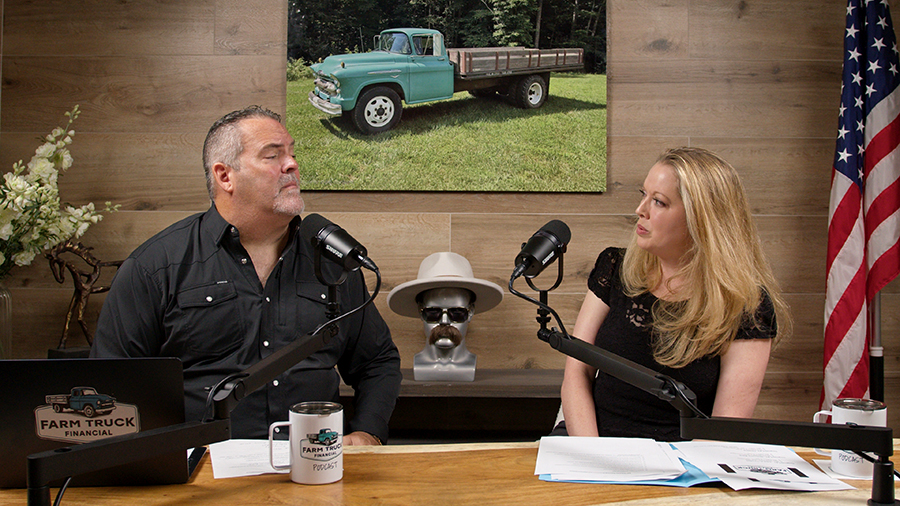
Florida is a dream destination for many retirees, but becoming a Florida resident also changes the legal rules that apply to your life, your money, and your legacy. If you moved here with wills, trusts, and powers of attorney drafted in another state, those documents may not work the way you think they do once you are under Florida law. In this highlight from Farm Truck Financial, Eric Kearney, president of Retirement Wealth Advisors, and estate planning attorney Katharine walk through the questions Florida retirees ask most often about wills, trusts, probate, nursing homes, and more.
Moving to Florida with Out-of-State Documents
Florida is a very transient state. People move in, move out, and sometimes move back again. Many new residents arrive with estate planning documents prepared elsewhere—wills, powers of attorney, healthcare directives, and sometimes trusts that were tailored to the laws of their former home state.
When you become a Florida resident, Florida law governs key questions such as whether your estate must go through probate, who can serve as your personal representative (executor), and what default rules apply if you do not have a valid plan. Some out-of-state documents may still be honored, especially properly executed healthcare directives, but that is not guaranteed in every situation. A Florida attorney can review your existing plan and make sure it is compliant with Florida’s specific requirements.
Who Can Be Your Personal Representative in Florida?
One area where Florida is more restrictive than many other states is in who may serve as a personal representative. In addition to being at least 18, competent, and free from disqualifying criminal convictions—including offenses involving abuse of elderly or disabled adults—non-Florida residents must generally be related to you by blood to qualify.
That means the trusted friend you named years ago in another state may not be allowed to serve as your executor under Florida law. Unless your documents are reviewed and updated after you become a Florida resident, the person you think is in charge of carrying out your wishes may be legally barred from doing so. Updating this part of your plan can prevent expensive and stressful surprises later.
Protecting Your Assets from Creditors and Predators
Retirees often worry about “creditors and predators”—lawsuits, divorces, and other threats that could target their savings. Florida offers some very strong protections, especially for your homestead. When you meet certain requirements and stay current on your mortgage, taxes, and contractors, your primary residence enjoys powerful protection from most creditors.
Florida law can also protect certain jointly owned spousal accounts held as tenants by the entirety, as well as specific types of retirement assets like IRAs, pensions, and annuities. On top of those statutory protections, some families may benefit from entity planning—using LLCs or corporations for rental properties or business interests—to help manage risk and keep personal and business assets separate.
Why Adding Children to Accounts Can Backfire
One of the biggest misconceptions Katharine sees is the idea that you can “avoid probate” by simply adding your children’s names to your home or bank accounts. While it is true that many jointly owned assets with rights of survivorship pass outside of probate, that shortcut comes with serious risks.
Once a child becomes a joint owner, their creditors can potentially reach that property. If they are sued, go through a divorce, or face tax troubles, the account or home you added them to may be exposed. What started as a simple way to avoid probate can result in lost savings or even the forced sale of a home. It is usually safer to rely on properly structured beneficiary designations or a well-designed trust rather than joint ownership with non-spouses.
Trusts: Not Just for Multi-Millionaires
Many people assume that trusts are only for the ultra-wealthy, but that is not the case. In Florida, revocable living trusts are a common tool for everyday retirees who own a home, investment accounts, or other meaningful assets. Katharine explains the basic difference between revocable and irrevocable trusts, while focusing on the revocable trust most viewers are likely to use.
With a revocable living trust, you typically serve as your own trustee and beneficiary during your lifetime. You keep full control over your assets, can amend or revoke the trust, and use it primarily to avoid probate and streamline management if you become incapacitated. When you die, your successor trustee follows the instructions in your trust document, distributing or managing assets for your beneficiaries according to your wishes, often without the delays and public process of probate.
It is important to understand, however, that under current Florida law, transferring assets into a revocable trust does not create additional asset protection for you while you are alive. If you can access the asset, your creditors generally can too. Other structures and strategies are needed for true asset protection planning.
Getting Organized Before Meeting an Estate Planning Attorney
A productive estate planning meeting starts with being prepared. Katharine encourages clients to create a detailed list of their assets before the first appointment, including how each account or property is titled and whether any beneficiaries are named. Are assets in your name alone, jointly held with a spouse or child, or already titled in the name of a trust? Who is listed as primary and contingent beneficiary?
She also recommends obtaining written confirmations from financial institutions, since outdated assumptions can derail an otherwise thoughtful plan. Many retirees believe they set up beneficiaries years ago, only to discover that the paperwork was never processed or has since changed. Taking inventory in advance saves time, reduces professional fees, and ensures your attorney is working with accurate information.
Healthcare Documents: Living Will vs. Do-Not-Resuscitate
Healthcare decisions are another critical part of a Florida estate plan. During the conversation, Katharine explains the difference between two commonly confused concepts: the living will and the do-not-resuscitate order (DNR).
A living will is an advance directive that tells your doctors and loved ones whether you want life-prolonging treatment if you are being kept alive artificially under specific medical conditions defined by Florida law. It comes into play after a person is already on artificial life support, and the question is whether to continue or withdraw that treatment.
A DNR, on the other hand, is a medical order that must be issued by a doctor. It tells paramedics and hospital staff not to attempt resuscitation if your heart or breathing stops, even if you might otherwise be revived and live longer. In practice, it is often a brightly colored form posted in a visible place in the home of someone with serious illness. Understanding the difference helps families respect a loved one’s wishes without confusion during emergencies.
Nursing Homes, Long-Term Care, and Your Florida Homestead
Few topics cause more anxiety than the fear that a nursing home will “take the house.” Katharine clarifies that, under Florida’s homestead protections, a properly qualified and maintained primary residence cannot simply be seized by a nursing home or assisted living facility. These facilities cannot legally place a lien on your homestead just because you owe them money.
However, the practical reality is that long-term care is expensive, and providers want to know how you will pay. Many retirees ultimately choose to sell a home to free up cash to cover care, especially if they no longer plan to return there. Others may explore Medicaid planning strategies or work with a board-certified elder law attorney to preserve a homestead while qualifying for government assistance. The key is to start thinking about long-term care early, not when a crisis hits.
“My Kids Know Who Gets What” Is Not a Plan
Another common misconception is that verbal promises are enough: “My kids know who gets what, so why bother with estate planning?” Unfortunately, what you say and what the law recognizes are two very different things. Katharine shares how often survivors claim that Mom or Dad “always said” they would inherit a house, a car, or other assets, only to discover that nothing in writing backs up those stories.
Without clear, legally enforceable documents, family members can end up in conflict, or the estate may be forced through a probate process that does not reflect your actual intentions. Written wills, trusts, and beneficiary designations make your plan clear, reduce uncertainty, and help preserve family relationships at a time when emotions may already be running high.
Estate Planning as Part of Your Retirement Infrastructure
Eric emphasizes that estate planning is not a stand-alone project; it should be integrated into your overall retirement strategy. At Retirement Wealth Advisors, the process typically begins with a financial plan, income plan, tax plan, and investment strategy designed to support your lifestyle and goals. Estate planning then becomes the next logical step—coordinating with legal professionals to make sure your documents support the retirement blueprint you have built.
The good news is that nothing is carved in stone. Estate plans can and should be updated as your life, your family, and the law change. The biggest risk is procrastination—waiting until a crisis occurs, when options are fewer and stress is higher. Starting early gives you more flexibility and peace of mind.
Next Steps for Florida Retirees
If you live in Florida or plan to make it your permanent home, now is the time to review your estate plan. Gather your existing documents, make an organized list of assets and beneficiaries, and sit down with a qualified Florida estate planning attorney to confirm that your wishes will be honored under Florida law. Then, coordinate that legal plan with a comprehensive retirement strategy so your income, investments, taxes, and legacy all work together.
This blog and the Farm Truck Financial episode it is based on are for general educational purposes only. They are not legal or tax advice, and they do not create an attorney-client or advisor-client relationship. Always consult with a licensed Florida attorney and a qualified financial professional before making decisions about your own estate plan or retirement strategy.