Code Red, Women Investors: Retirement Planning for $124 Trillion
Women & Wealth: Preparing for the Biggest Generational Wealth Transfer in Modern History
A major shift is happening in the financial world, and it’s not just about markets or interest rates. It’s about who will be responsible for managing family wealth over the next several decades.
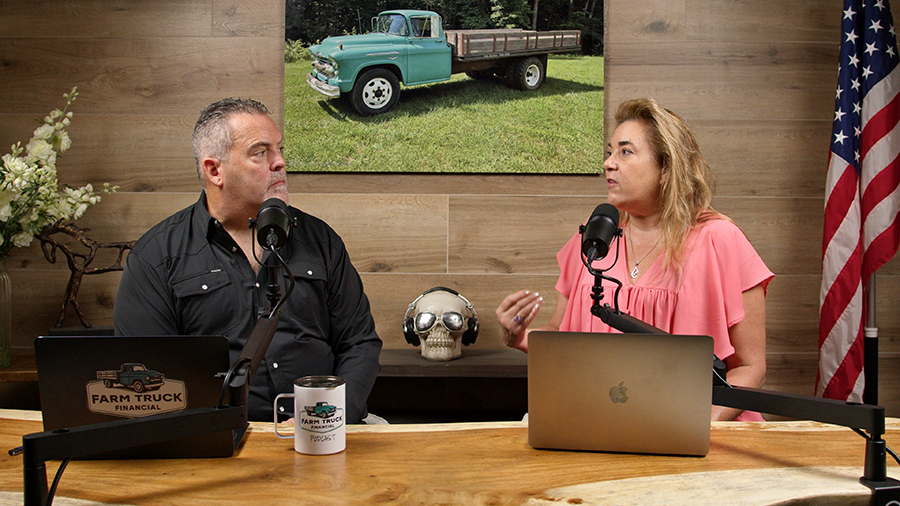
In this episode of Farm Truck Financial, Eric Kearney (President of Retirement Wealth Advisors) sits down with Donna Krohn, CFP®, to talk about women in wealth and what it means to become the steward of money that may arrive through inheritance, family transitions, or long-term planning.
Why This Is “Code Red” for Women Investors
The heart of the conversation is simple: the responsibilities are growing, but many people still feel unprepared when money changes hands. In the show, Eric and Donna discuss how sudden wealth, inheritance, or even a spouse’s passing can create an emotional fog that leads to overly conservative decisions, delay, or inaction.
One of the most important takeaways is that confidence and preparedness are not the same thing. You can be capable, intelligent, and responsible—and still feel overwhelmed when you’re asked to make big financial decisions quickly.
The Most Common Concerns Women Bring to Retirement Planning
While many retirement concerns are universal, Donna explains that a few tend to show up more strongly for women, including:
- Longevity risk: Women often live longer, which can turn “a normal retirement” into a 25–35 year plan.
- Healthcare and long-term care costs: Longer lives often mean higher odds of needing care, and the cost can be substantial.
- Not wanting to become a burden: Many women worry about needing financial help from adult children later in life.
- Fear of making a mistake: That fear can lead to paralysis—and doing nothing can be its own risk.
The Caregiving Instinct: Helpful, But Potentially Costly
Eric and Donna also talk about something that doesn’t always show up in spreadsheets: the desire to help family.
Whether it’s children, grandchildren, nieces, or other loved ones, many women naturally step into a supportive role. The problem is that generosity can quietly turn into self-sacrifice—especially when it takes resources away from what could be a very long retirement.
A plan doesn’t stop you from helping people. It helps you help them without putting your future at risk.
The “Saver vs Investor” Challenge
One of the most relatable points Donna makes is the identity gap many women feel: “I’m a saver, not an investor.”
The reality is most women are both, but if you only see yourself as a saver, you may limit your options. Eric adds that growth still matters—even in retirement—because retirement isn’t just about income. It’s also about:
- Keeping up with inflation
- Managing taxes
- Funding a lifestyle that lasts
A Real Story: When an Inheritance Feels Like Too Much
Eric shares a story about a longtime client who became terminally ill. After he passed, a family member received a significant inheritance and felt so overwhelmed that their first instinct was to put everything into CDs—simply to avoid “messing it up.”
Donna explains why this reaction is common: when something feels heavy, people reach for what feels safe. But “safe” decisions made in panic can unintentionally conflict with the long-term purpose of the money—especially if the goal was growth, inflation protection, and lifetime income.
Process Over Pressure: How Confidence Is Built
The episode repeatedly returns to one key idea: women don’t want to be pushed—they want to be guided.
In the inheritance story, progress didn’t happen in one meeting. It happened through a patient process—meeting the client where she was, listening to the fear, and building understanding step-by-step until she could see the infrastructure behind the plan.
That’s when shoulders relax. That’s when decisions get clearer. And that’s when the money starts working the way it was intended.
Priorities Shift With Age: Plan for the Changes
As Eric points out, priorities often evolve as women move through different phases of retirement. The focus may shift from lifestyle and income to include:
- Healthcare strategy
- Long-term care planning
- Legacy goals and what gets left behind
That’s why a real retirement plan is not one-dimensional. It’s a coordinated approach that connects the portfolio, income plan, tax strategy, and long-term goals.
Three Practical Steps If You’re Expecting a Wealth Transition
- Don’t rush into “parking it all”: Take time to understand what the money needs to do for your life.
- Get clarity on your paycheck: Know where retirement income will come from and how it changes over time.
- Work with someone who can educate you: Look for guidance and a process you can understand, not pressure.
Want a Farm Fresh Second Opinion?
If you have questions about your retirement, inheritance, or financial plan, Eric Kearney and the team at Retirement Wealth Advisors offer a complimentary review and a farm fresh second opinion.
Educational content only. This is not individualized investment, tax, or legal advice. Consult a qualified professional regarding your specific situation.